

Stormwater Pump Stations: Installation, Maintenance and Repair
Stormwater pump stations play an essential role in protecting infrastructure, preventing localised flooding and ensuring the controlled movement of surface water during heavy rainfall events.
At Pumping Solutions, we design, supply, install and support high-performance systems engineered to deliver reliable operation under demanding conditions.
Our technical expertise covers every stage of the asset lifecycle, from initial installation through to ongoing maintenance and responsive emergency repair.
Planned Maintenance for Reliability and Compliance
Routine maintenance is critical to ensuring a stormwater pump station continues to operate safely and efficiently, particularly during peak weather events.
Our planned maintenance packages include scheduled inspections tailored to the system size, pump type and risk profile. Typical servicing activities include:
- Visual inspection of the station structure, covers, seals and access arrangements
- Removal of accumulated debris, silt and grease
- Testing of level control devices, float switches, transducers and alarms
- Verification of electrical connections, motor insulation resistance and panel functionality
- Pump removal for mechanical inspection, impeller clearance checks and seal assessment
- Lubrication of bearings, where applicable, and assessment of wear components
- Performance testing to ensure pumps achieve the expected flow and head
Our maintenance services help minimise the risk of breakdown, prolong component life and maintain compliance with regulatory obligations relating to surface water management.
Comprehensive Repair and Emergency Response
When a fault occurs, rapid intervention is essential to prevent flooding or environmental harm. Our engineers are trained to diagnose mechanical and electrical issues across all major pump manufacturers and control panel types.
Common repair tasks include replacement of damaged impellers, mechanical seals, bearings and motor components, as well as rectification of control panel faults, failed sensors and corroded pipework or valves.
For severe system failures, we can deploy temporary over-pumping to maintain stormwater flow while permanent repairs are undertaken. Should a pump require workshop overhaul, we handle removal, refurbishment, reinstallation and recommissioning with full documentation.
Our 24/7 emergency response capability ensures that operational downtime is kept to a minimum, giving asset owners confidence that their stormwater systems remain protected even in extreme weather conditions.
End-to-End Stormwater Pump Station Expertise
With decades of experience in stormwater management infrastructure, Pumping Solutions provide turnkey support for every type of stormwater pump station.
Whether you require a new installation, proactive maintenance or immediate repair, our team deliver reliable, engineered solutions designed to meet the specific hydraulic and operational needs of your site.

Stormwater Pump Station FAQ’s
1. What is a stormwater pump station and when is it required?
A stormwater pump station is a critical hydraulic infrastructure asset designed to transfer surface water from low-lying or flood-prone areas to a higher elevation discharge point where gravity drainage can resume.
It is typically deployed where natural gradients are insufficient to convey runoff, such as urban developments, highways, tunnels, and coastal or floodplain environments.
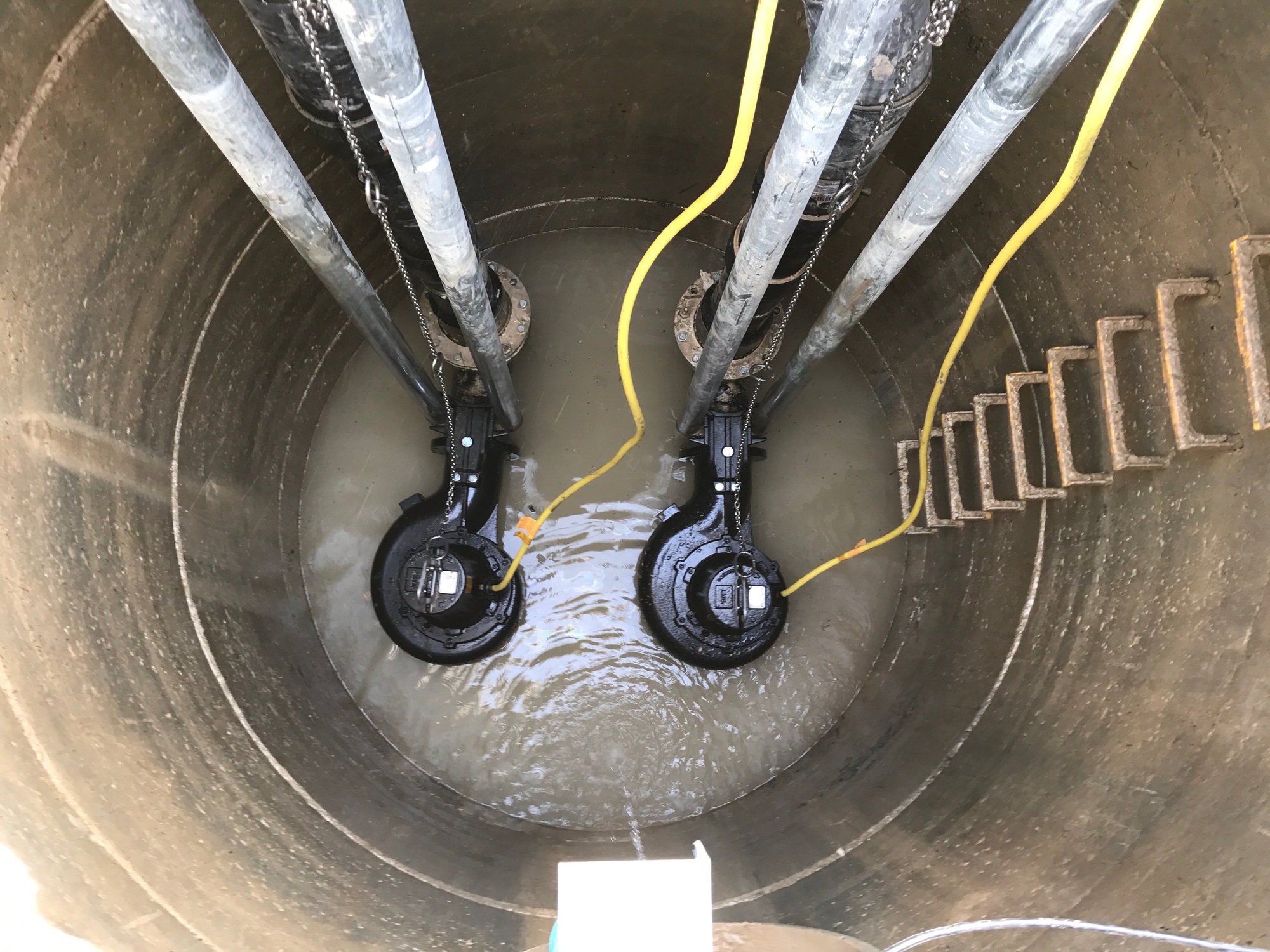
From an engineering perspective, the station comprises a wet well (collection chamber), submersible or dry-installed pumps, level control instrumentation, and an electrical control system. These systems operate automatically, activating pumps when water levels reach predefined thresholds.
Stormwater pumping stations are essential in mitigating flood risk, maintaining serviceability of infrastructure, and ensuring compliance with drainage design standards, particularly under increasingly variable rainfall intensities driven by climate change.
2. How is a stormwater pump station sized and designed?
The design of a stormwater pump station is governed by hydraulic modelling and must account for peak storm events, catchment characteristics, and allowable discharge rates. Key parameters include:
- Design flow rate (Q) derived from rainfall intensity-duration-frequency (IDF) data
- Total dynamic head (TDH) including static lift, friction losses, and system resistance
Wet well storage volume to balance inflow and pump cycling - Pump duty/standby configuration for redundancy
Proper inlet geometry and sump design are essential to minimise turbulence, vortex formation, and sediment deposition, ensuring optimal pump performance and longevity.
Additionally, modern designs integrate computational fluid dynamics (CFD) analysis and manufacturer-specific pump data to avoid hydraulic inefficiencies and operational issues.
3. What are the key components of a stormwater pump station?
A high-performance stormwater pump station typically includes:
- Wet well / sump – stores incoming stormwater prior to pumping
- Pumps (usually submersible centrifugal units) – designed for high flow and solids handling
- Level control systems – float switches, ultrasonic or pressure transducers
- Control panel (PLC/SCADA integration) – enables automated operation and remote monitoring
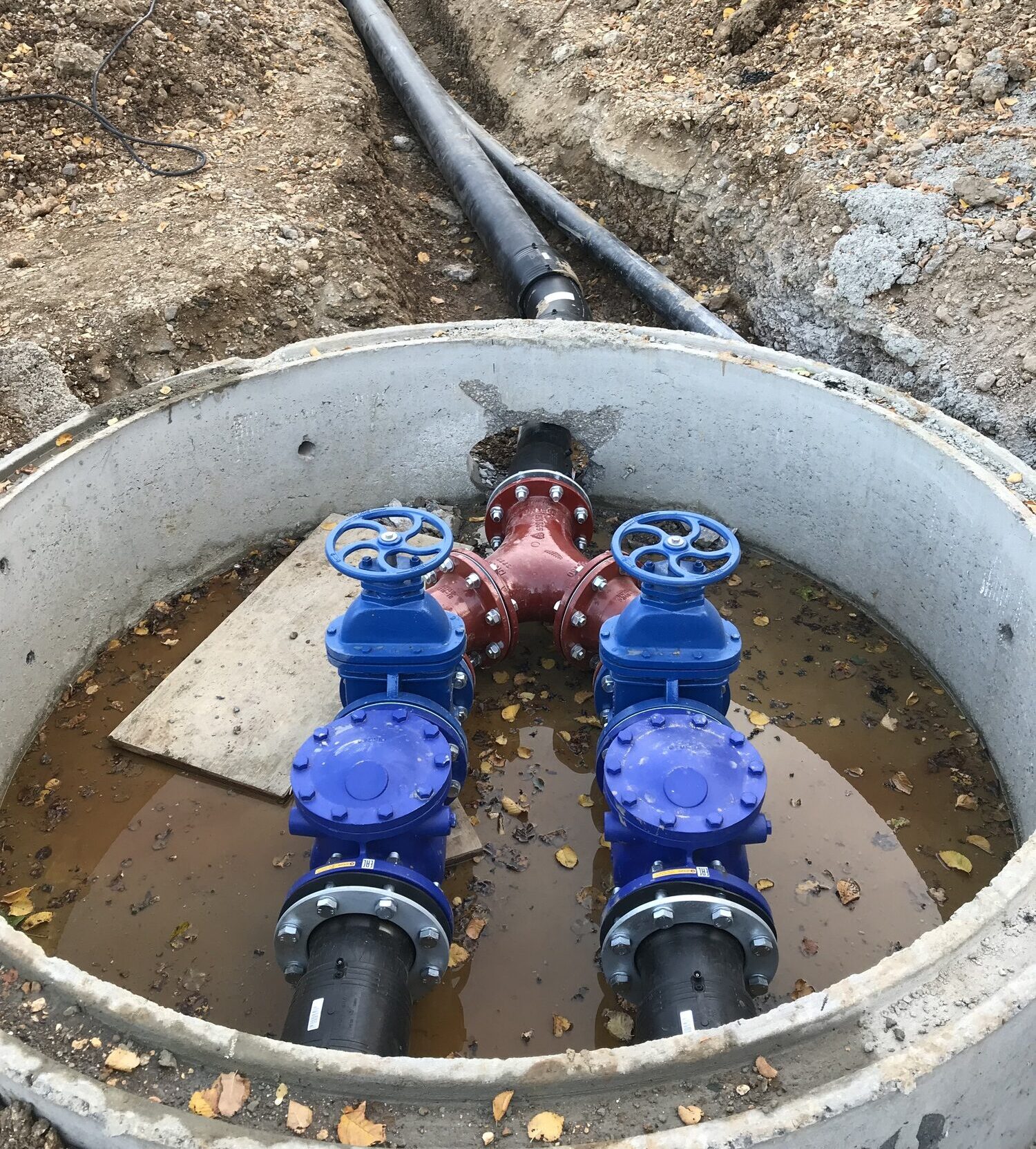
- Valve chamber and pipework – includes non-return valves and isolation valves
- Emergency systems – alarms, backup power supply, and telemetry
These components function as an integrated system to provide reliable, automated fluid transfer. Modern installations frequently incorporate telemetry and remote diagnostics for proactive asset management.
4. What maintenance is required to ensure reliable operation?
Routine and preventative maintenance is fundamental to ensuring operational reliability and extending asset life. Typical activities include:
- Wet well cleaning and debris removal to prevent blockages and odour formation
- Inspection of pumps, impellers, and seals for wear or clogging
- Electrical testing of control panels and switchgear
- Calibration of level sensors and instrumentation
- Valve operation checks and pipeline inspections
Industry guidance suggests periodic inspection frequencies based on duty cycles, with high-use stations requiring quarterly servicing and lower-use systems inspected annually.
Failure to maintain a stormwater pump station can result in reduced hydraulic efficiency, increased energy consumption, and ultimately system failure leading to flooding or environmental incidents.
5. What are the common causes of failure in stormwater pump stations?
Stormwater pump station failures typically arise from a combination of hydraulic, mechanical, and electrical issues, including:
- Pump clogging or ragging due to debris and sediment
- Power supply failures or control system faults
- Incorrect level control calibration, leading to inefficient cycling
- Hydraulic design flaws, such as poor sump geometry causing vortexing or air entrainment
- Mechanical wear, including seal failure or bearing degradation
Breakdowns can also occur due to inadequate maintenance or unforeseen peak loading events exceeding design capacity.
To mitigate these risks, robust design incorporating redundancy (duty/assist/standby pumps), real-time monitoring, and scheduled maintenance regimes is essential.