

Pumps for the Food Processing Sector
Situated in Spalding at the heart of the UK’s food production corridor, Pumping Solutions (UK) Ltd supports large food processors with robust, engineered pumping systems that keep high-volume plants running safely and efficiently.
As a family-run business with more than three decades’ experience, the company designs, installs, maintains and repairs pumping systems across domestic, commercial and industrial applications throughout the UK, including high-capacity systems for demanding process environments.
In the food processing sector, larger pumps are required wherever there are substantial flow rates, long distribution runs or challenging media. Typical duties include bulk intake of raw product, wash-water and flume systems, CIP supply and return sets, cooling water and glycol circuits, effluent and sludge transfer, and large washdown and hygiene systems.
These applications call for correctly sized centrifugal and positive displacement pumps, engineered for high utilisation, hygienic operation and long service life
System design for high-capacity food processing pumps
For larger food plants, effective pumping begins with a detailed understanding of each duty. Pumping Solutions’ design work starts by mapping the complete process: raw material reception, washing and sorting, cooking and cooling, filling and packaging, and the associated CIP, heating, cooling and effluent streams.
Each stage is analysed for design flow, diversity, available NPSH, static and friction head, viscosity, solids content and any low-shear or gentle-handling requirements to protect product quality.

In Depth Knowledge of Food Processing Requirements
Chopper pumps combine robust centrifugal hydraulics with a cutting system at the inlet, which macerates fibres and solids before they enter the volute, greatly reducing the risk of blockage in the pump and rising main. These are particularly suited to meat, poultry, fish and vegetable processing facilities where tough solids and stringy materials are present.
Material specification is critical in food processing. Pumping Solutions designs systems around food-grade stainless steels (typically 316L for wetted parts), polished internal surfaces to reduce biofilm risk, and elastomers selected for compatibility with both product and CIP chemicals (EPDM, FKM or PTFE as appropriate).
Hygienic design principles are applied across pumps, valves, manifolds and pipework: full drainability, self-venting geometries, elimination of dead legs, and cleanable seal arrangements, in line with industry best practice and relevant hygienic design standards.
Food Processing Specific Pumps
For large installations, system resilience and energy performance are built in at the design stage. Duty/standby or duty/assist pump configurations, with automatic changeover on fault or on operating hours, protect production from unplanned downtime.
Variable speed drives, coupled with flow, pressure and level feedback, allow intelligent control of multiple pump sets to match process demand, reduce throttling losses and minimise hydraulic shock.
Where necessary, hazardous area classification, ATEX-rated motors and controls, and segregated hygienic zoning are incorporated into the overall concept design.
Design & Installation in hygiene-critical plants
High-quality design must be matched by high-quality installation if large food-processing pumps are to perform as intended. Pumping Solutions installs both new build and retrofit systems across the UK, integrating large pumps and associated pipework into live production environments with minimal disruption.
Baseplate and foundation work is carried out to control vibration and ensure long-term alignment, with appropriate grout beds, hold-down arrangements and anti-vibration measures. Suction lines are routed to minimise turbulence and air entrainment; straight lengths, appropriate reducers and correctly sized strainers are used to protect NPSH and avoid cavitation. Discharge pipework is configured to avoid undue stress on pump nozzles, with correctly installed expansion joints and flexible couplings where thermal movement or misalignment could otherwise be an issue.
In hygiene-critical areas, stainless steel hygienic pipework is installed using orbital welding or hygienic clamp connections, depending on the client’s standards. Particular attention is given to segregation between raw and ready-to-eat zones, routing of services above open product lines, and the prevention of dirt traps on supports and brackets. CIP supply and return headers are installed so that all pumps and lines drain fully and are accessible to cleaning solutions, with instrumentation positioned to verify flow and temperature profiles during cleaning cycles.
Automation and commissioning in hygiene-critical plants
Electrical installation and controls integration are engineered to match the plant’s existing automation philosophy. Pumping Solutions provides motor control centres, local isolators, and field wiring to PLC or SCADA systems, including hard-wired safety interlocks such as low-level, low-pressure and over-temperature trips. Where required, the team incorporates level transmitters in sumps and balance tanks, pressure and flow sensors in key lines, and remote alarm signalling to ensure operators are alerted promptly to abnormal conditions.
During commissioning, each pump and system is tested against the design intent. This includes checking suction conditions and discharge pressures, verifying flow rates (using in-line meters or inferred from pump curves and motor loading), and proving all control sequences and interlocks. For hygienic systems, there is a strong focus on validating CIP performance and demonstrating full drain-down to meet site food safety and audit requirements. Any issues identified at this stage can be corrected before the system is handed over to production.
Maintenance of large pumps in food processing environments
High-capacity pumps in food factories often operate for long hours in demanding conditions. Planned maintenance is therefore essential to avoid downtime and safeguard food safety. Pumping Solutions offers tailored maintenance programmes for large pumps and associated systems, aligning tasks and intervals with manufacturers’ recommendations, operating hours and the criticality of each duty.

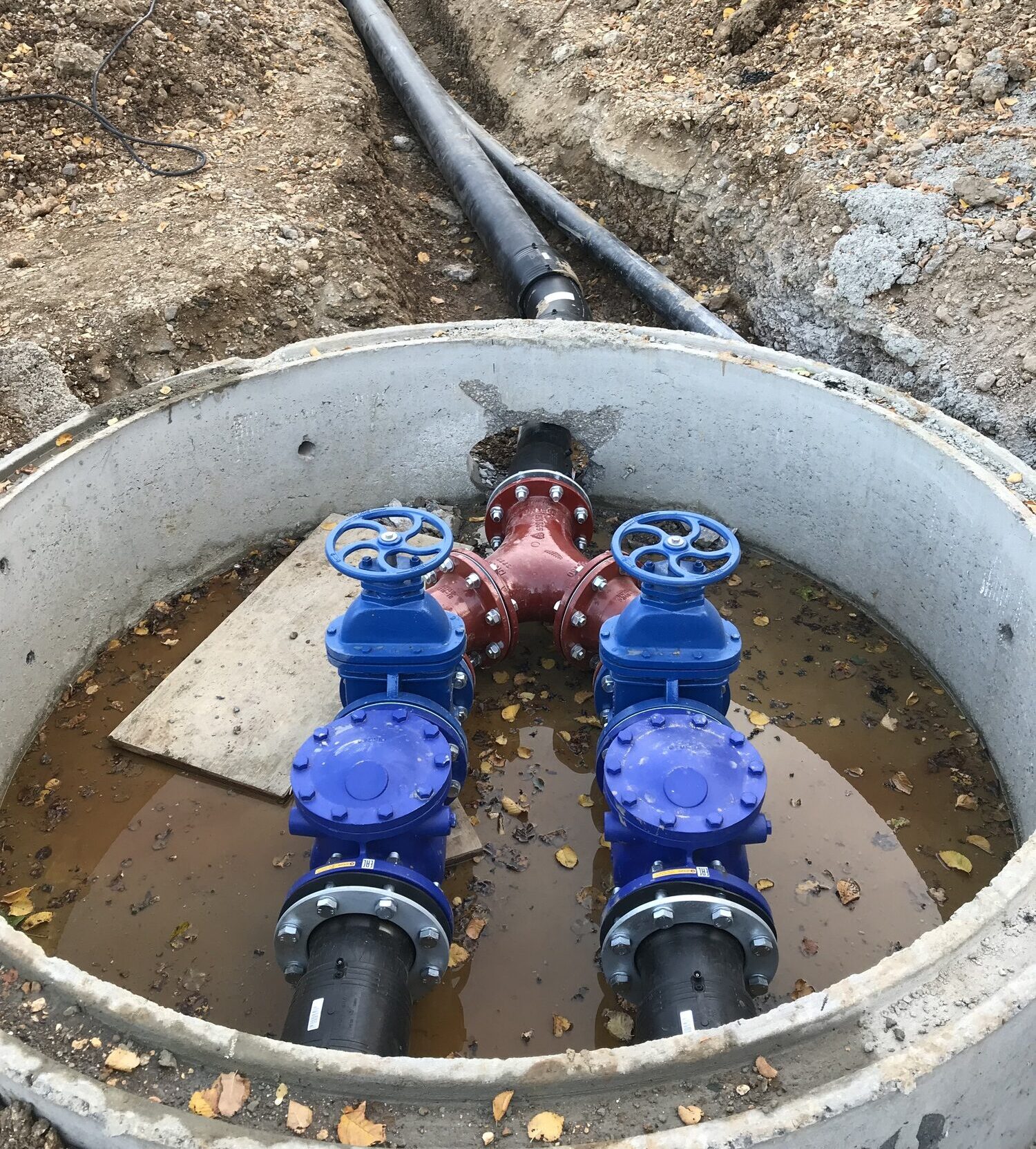
Pumping Solutions Working With You
Within the food sector, maintenance activities must fit around production schedules and hygiene requirements. Pumping Solutions works with site teams to plan interventions during shutdown windows, coordinating isolation, lock-out/tag-out and cleaning procedures so that maintenance can be completed efficiently without compromising food safety.
For high-duty assets, strategic stocking of critical spares, impellers, seal kits, bearings, motors and variable speed drives is advised so that any unplanned issues can be resolved quickly.
Repair, refurbishment and upgrade of large food-processing pumps
Even with robust maintenance, large pumps will eventually require repair or overhaul. Pumping Solutions provides a full repair and refurbishment service, both on site and in-house, for large centrifugal, positive displacement and solids-handling pumps used in food processing and associated effluent systems.
Fault-finding begins with a structured diagnostic approach: reviewing operating data and alarms, inspecting the installation for suction issues or blockages, and checking mechanical and electrical condition. Where effluent or waste pumps are concerned, this often includes dealing with ragging and fibrous build-up, worn cutting elements on chopper units, or corrosion and abrasion in volutes and impellers due to grit and solids.
Minimising Down Time
Once the root cause is understood, repair options are proposed. These may range from seal and bearing replacement with laser realignment, through to full strip-down, re-machining or replacement of damaged rotating elements, and re-coating of casings with suitable wear-resistant linings where appropriate.
For ageing assets, Pumping Solutions can advise on retrofit upgrades such as higher-efficiency hydraulics, variable speed drives, improved seal arrangements or alternative pump technologies better suited to current process demands. Often, these upgrades provide not only improved reliability but also lower energy use and reduced cleaning times.
Because food production sites around Spalding and across the UK typically run extended shifts to meet retailer and export demand, responsiveness is critical when a large pump fails. Pumping Solutions’ repair service is structured to minimise downtime: rapid assessment, clear recommendations, and prompt mobilisation of engineers and parts so that plant can be returned to service as quickly as site access, hygiene protocols and safety procedures allow.

Supporting large-scale food production from Spalding, Lincolnshire and the UK
Supporting growers, processors and packers
From its base in Spalding, Pumping Solutions is well placed to support the many growers, processors and packers that underpin the UK’s food supply chain. With an end-to-end capability that covers system design, installation, maintenance and repair of large pumping systems, the company provides food manufacturers with reliable, efficient and hygienic solutions tailored to their specific processes and compliance requirements.
Whether the requirement is for a new high-capacity intake system, an upgrade to CIP and process transfer pumps, or refurbishment of heavy-duty effluent and by-product pumps, Pumping Solutions delivers engineered pumping solutions that help keep food production lines running safely and continuously.